AI and the Future of Management Consulting

How Major Global Events Are Reshaping Saudi Arabia’s Economy

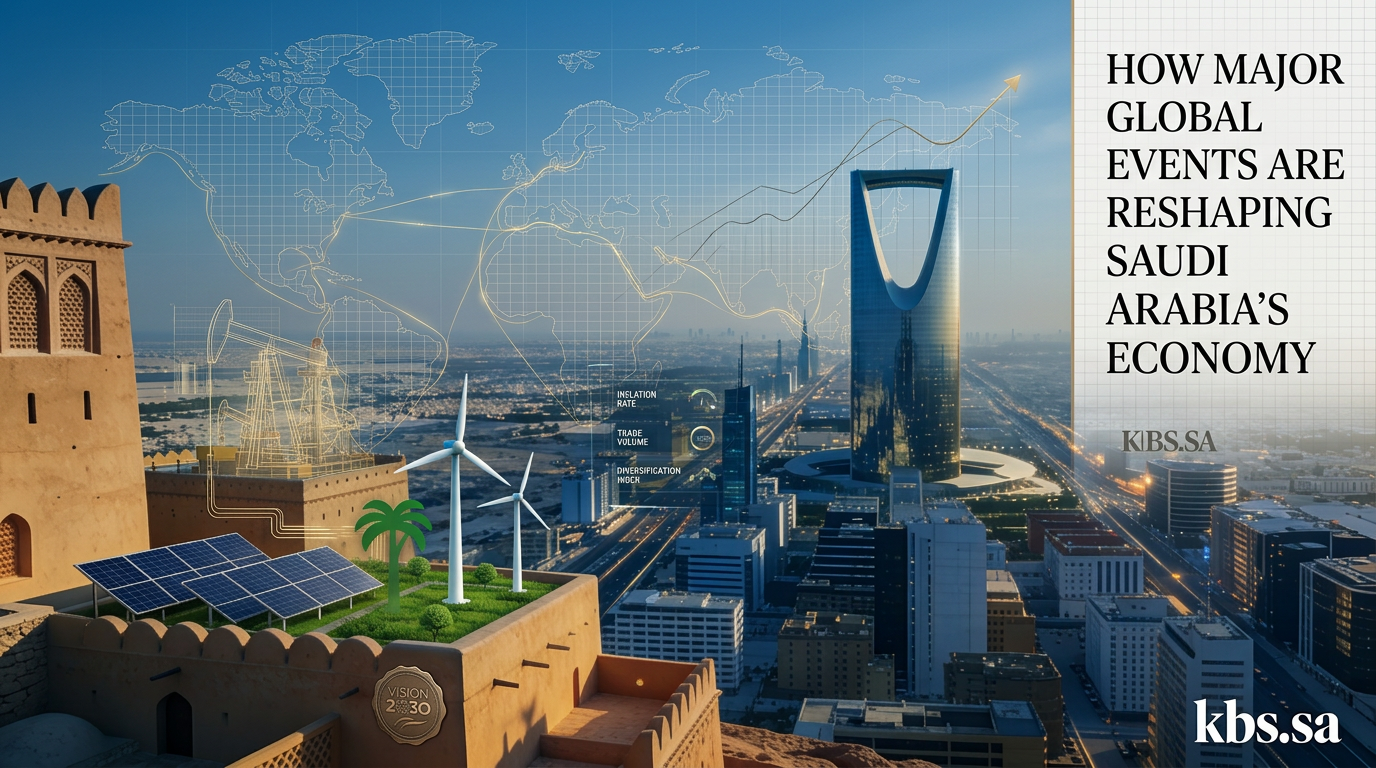
How Major Global Events Are Reshaping Saudi Arabia’s Economy
At a Glance
With Expo 2030 and the 2034 FIFA World Cup on the horizon, Saudi Arabia is entering a new phase of economic acceleration. Beyond their immediate impact, these events are reshaping industries, unlocking investment opportunities, and driving long-term diversification. Organizations that act early and align with this momentum will be best positioned to capture value in an increasingly competitive and globally connected economy.
In an unprecedented move, Saudi Arabia has been chosen to host the 2034 FIFA World Cup and Expo 2030 in Riyadh. These landmark events represent not just a significant cultural milestone but also a transformative opportunity for the Saudi economy. This article explores how these global events are set to catalyze economic growth and accelerate the Kingdom’s journey toward diversification and innovation.
The Economic Impact of Hosting Global Events
The decision to host global events of this magnitude marks a pivotal shift in Saudi Arabia’s economic narrative. Historically reliant on oil revenues, the Kingdom is diversifying its economy, aligning with its Vision 2030 goals. These events are expected to inject billions into the economy, boosting sectors like tourism, technology, and infrastructure development. The influx of international visitors and global attention will likely lead to a substantial increase in foreign investment, creating a ripple effect across multiple industries.
Sectoral Growth: Infrastructure, Real Estate, and Tourism
Preparations for the World Cup and Expo 2030 require massive infrastructure development. This includes not only sports facilities and event spaces but also transportation networks, hotels, and urban development projects. These initiatives present vast opportunities for economic growth, job creation, and innovation in construction and urban planning.
The expected surge in tourism due to these events will rejuvenate the hospitality sector. Hotels, restaurants, entertainment venues, and transportation services will all experience increased demand. This surge will strengthen local businesses, attract international brands, and support the creation of new tourism experiences that reflect Saudi Arabia’s heritage and modern identity.
Technology, Innovation, and Long-term Economic Transformation
To successfully host these events, significant investments in technology and innovation are essential. Areas such as telecommunications, cybersecurity, smart cities, and digital services will see accelerated growth. These advancements will not only ensure seamless event operations but will also strengthen Saudi Arabia’s position as a regional technology hub.
Beyond the immediate boost, these events are crucial to Saudi Arabia’s long-term economic diversification strategy. They serve as a global showcase for the Kingdom’s transformation, attracting sustained foreign investment and fostering new business collaborations. The momentum generated will continue driving growth in non-oil sectors, supporting a sustainable, knowledge-based economy.
Challenges and Considerations
Hosting events of this scale brings unique challenges, particularly in areas like exclusive commercial agreements and broadcast rights. For example, major events such as the FIFA World Cup often come with exclusive payment method partnerships or media arrangements that could affect local businesses. To navigate these dynamics, companies must remain agile, adaptive, and innovative in finding new ways to engage customers and maintain competitiveness.
Conclusion
Hosting the 2034 FIFA World Cup and Expo 2030 represents a monumental step for Saudi Arabia, offering a historic opportunity to strengthen its economy, attract global attention, and accelerate its transformation. For businesses, investors, and citizens alike, this is a defining moment to participate in shaping a prosperous, diversified, and innovation-driven future for the Kingdom.
How KBS can help:
Leveraging our experience at KBS in delivering high-impact transformation programs across Saudi Arabia and the region, we support organizations in capitalizing on opportunities driven by major global events. We help define clear strategies, design future-ready operating models, and enable digital and customer-centric transformations. During implementation, we work closely with leadership to ensure effective execution, strong governance, and knowledge transfer ultimately driving sustainable growth and long-term competitive advantage.
About the Author:
Jimmy Abou Tayeh is a management consultant with over 13 years of experience in strategy development, operating model design, customer experience, and human capital advisory. He currently serves as a Senior Manager in the Advisory Department at KBS, where he leads high-impact engagements across the public and private sectors in Saudi Arabia and the GCC. He has delivered engagements across a wide range of industries, including banking, telecommunications, construction and real estate, education, and technology, among others. His work spans designing digital and organizational transformation strategies, managing complex programs, and advising on customer and employee-centric operating models, supporting organizations in alignment with Saudi Arabia’s Vision 2030. Jimmy leads the Organizational Transformation and Excellence practice and is passionate about creating practical, data-driven solutions that drive sustainable performance, efficiency, and innovation across institutions.
Categories
Latest News


Why a prioritization framework enabling efficient leadership decision making is essential

Employee Placement: Strategies and Lessons Learned for a Successful Transition

Data/AI Filtering Impact on Organization Strategies and Macro-level Policies
Category: Digital solutions
Date:
April 9, 2026